New Outboard Break-In: The First 10 Hours and the 20-Hour Service, Explained
- Break-in seats piston rings to cylinder walls and beds bearings under controlled, varying load — the pattern of the first hours shapes the engine's whole life.
- Generic pattern: hour 1 gentle and varied, hour 2 building to plane, hours 3–10 across the full range with wide-open bursts of no more than about five minutes.
- Never hold one constant rpm for long during break-in — varied speed and load are the point, not a side effect.
- The 20-hour service is a first-inspection service: fresh oil and filter on four-strokes, gear lube, and a full check-over — different in scope from the 100-hour service.
- Manufacturers can read running history from the ECU, and your owner's manual wins over any general guide — including this one.
A brand-new outboard looks finished, but inside it is not quite. The piston rings have not yet worn into perfect conformity with the cylinder walls, bearing surfaces are at their tightest, and every machined face is taking its final polish under load. Break-in is the controlled process that seats those surfaces properly — and it is why the first hours on a new motor follow a schedule instead of simply being driven like the old one.
This guide explains what is happening inside, gives the generic running pattern most manufacturers' schedules resemble, and demystifies the 20-hour service at the end of it. One rule outranks everything below: the schedule printed in your owner's manual is written for your exact engine, and where it differs from any general guide, the manual wins.
What is actually seating inside
The central event of break-in is ring seating. Piston rings seal combustion pressure against the cylinder wall, and they only seal perfectly once their faces have worn microscopically into match with the wall's finish. That wear needs combustion pressure — load — to press the rings outward, and it needs the load to vary, so the contact pattern develops across the whole surface. Too little load for too long can glaze the bores and leave the rings unseated, showing up later as oil consumption and lost compression. Too much load, too early and too sustained, overheats tight new surfaces. Break-in schedules are the engineered middle path.
The same logic applies, more gently, to bearings, gear teeth and valvetrain components: new surfaces everywhere are bedding in, shedding microscopic high spots into the oil — which is precisely why the oil and gear lube are changed so early, as the 20-hour section explains.
The generic first-10-hours schedule
Manufacturers phrase their schedules differently, but most break-ins follow the same shape. Treat this table as the generic pattern, then set it against your manual's exact figures before your first run.
| Phase | Running guidance | Why |
|---|---|---|
| Hour 1 | Keep to roughly 2,000 rpm or below — a fast idle to gentle cruise. Vary the speed continually within that band; avoid prolonged idling in one spot and avoid full throttle entirely. | Lets rings and bearings begin seating under light, changing load without heat stress on tight surfaces. |
| Hour 2 | Build up to planing speed and around three-quarter throttle, still varying speed often. Brief stronger applications to get the boat on plane are expected — a boat labouring just below plane is under more load than one planing cleanly. | Raises combustion pressure enough to press rings into the walls, across a wider band of the bore. |
| Hours 3–10 | Use the full rpm range, including wide-open throttle in bursts of no more than about five minutes at a time, then back off to cruise and vary the speed again. Still never hold one constant rpm for an extended period. | Completes ring seating across the full load range while the vary-the-speed rule prevents glazed, single-pattern wear. |
Three habits matter more than any single number in that table. First, vary the rpm constantly — a break-in run held at one steady cruise speed is the classic mistake. Second, load is a tool, not an enemy: gentle does not mean idle everywhere, and an engine babied at trolling speed for ten hours can come out worse than one run through its range properly. Third, watch the basics — a strong telltale stream, normal temperature behaviour and no warning lights.
Two-strokes: the oil note
Two-stroke break-in carries one extra instruction in most manuals: extra oil. Traditional guidance doubles the oil ratio for the first tank or first hours on premix engines, and oil-injected engines may consume noticeably more oil during their early hours by design. The extra oil protects the same tight, seating surfaces while they polish in. Follow your manual's exact ratio and duration, and expect a new two-stroke to smoke more than usual until the schedule completes — that is the extra oil leaving, not a fault. Choosing between engine types at the same time? Our guide to choosing the right outboard motor covers where two-strokes still make sense.
The 20-hour service: what actually happens
At the end of break-in — typically at 20 hours or the first season's end, whichever the manual states — the engine goes in for its first service. This is a first-inspection service, and its logic is break-in itself:
- Engine oil and filter (four-strokes). The oil that caught all the microscopic seating wear comes out, with the filter that trapped it, and is replaced with fresh oil of the specified grade.
- Gear lube change. The lower unit's first fill carries the bedding-in wear of new gears; it is drained, inspected for excess metal or any water, and refilled.
- Checks and adjustments. Fasteners and connections are confirmed after their first heat cycles; idle, shift, throttle, steering and the cooling system are checked; any ECU fault codes are read.
- A record is created. The service is logged against the engine's serial number — the start of the documented history that supports warranty and resale for the engine's whole life.
It belongs to the same discipline as the wider schedule in our guide to how to maintain an outboard motor: small, on-time services that keep a healthy engine verifiable, rather than repairs after neglect.
20 hours vs 100 hours: not the same service
Owners sometimes ask why an engine serviced at 20 hours needs another at 100. Because they are different jobs. The 20-hour service removes break-in wear products and verifies a new engine after its first heat cycles — it is weighted toward fluids and inspection. The 100-hour (or annual) service is the recurring interval for an engine in normal life: oil and filter again on four-strokes, gear lube, spark plugs and fuel filters per schedule, anodes and grease points, and longer-interval items such as the water-pump impeller. Think of the 20-hour as graduation from break-in and the 100-hour as the standing rhythm afterwards.
The ECU remembers
One modern fact deserves emphasis: on a fuel-injected engine, the ECU logs how the engine has been run — hours in each rpm band, over-rev events, overheats and faults — and a technician can read that record with the manufacturer's diagnostic tools. Break-in discipline is therefore a matter of record, not just good practice: an engine that spent its first ten hours at sustained full throttle carries that biography in its own memory.
Your owner's manual wins
Every figure in this guide is a generic pattern — the shape most manufacturers' schedules share. Your manual may set different rpm ceilings, phase lengths, a different first-service hour or a specific oil ratio, and in every case the manual is right and the general guide is background. Read it before the first start, and follow its schedule to the letter through break-in and the 20-hour service. Do that, and the engine you are careful with today becomes the engine that feels tight and strong a thousand hours from now.
Shop the motors in this guide
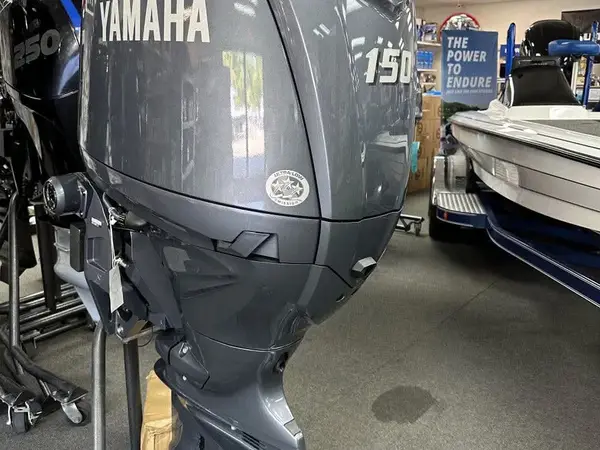 New
New Yamaha F150LC — Integrated Steering, 20" Shaft, 3-Year Factory Warranty
- 150 HP
- Brand new
- 20" shaft
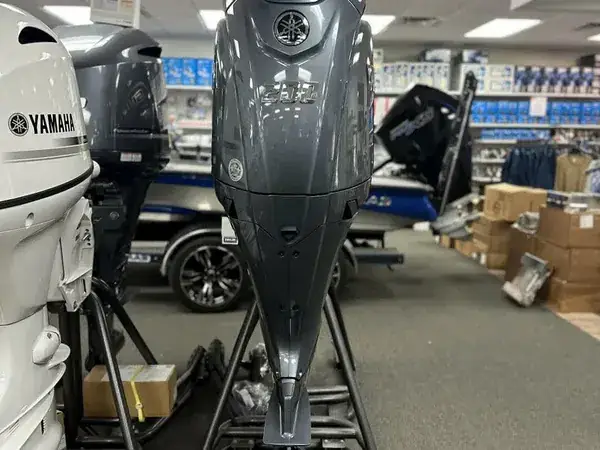 New
2025 Yamaha F200XD — Integrated Hydraulic Steering, 25" Shaft, Brand New
- 2025
- 200 HP
- Brand new
- 25" shaft
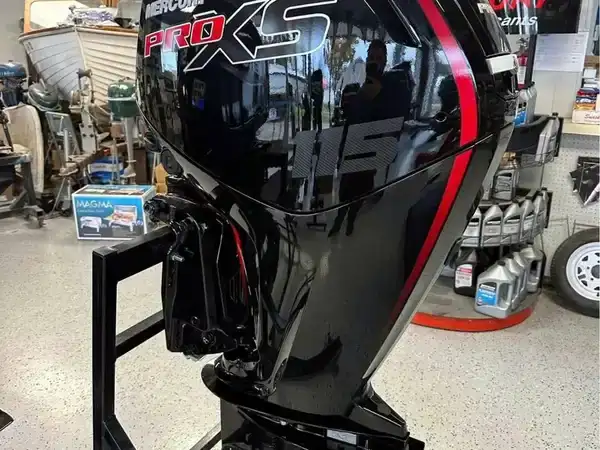 New
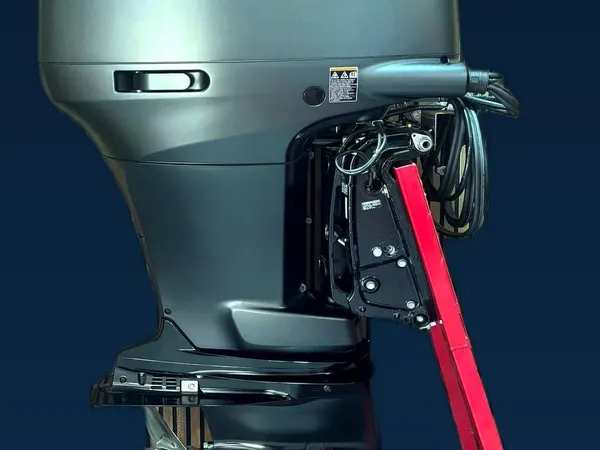 New — Latest Model
New Suzuki DF250A Stealth 250 HP Outboard — Matte Black, SPC 2.0
- 250 HP
- Brand new
- 25" shaft
 New
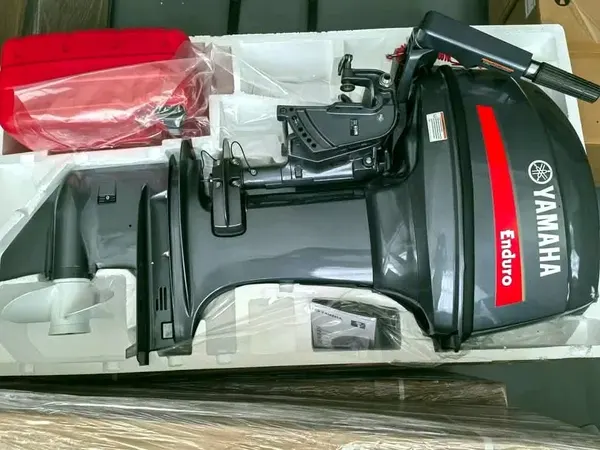
New Yamaha Enduro 40X 2-Stroke Tiller — E40XMHL, Long Shaft
- 40 HP
- Brand new
- 20" shaft
 Brand New
Every engine here is sold new or as listed, with its price, freight and deposit on its page — each one will want this break-in schedule respected from its first hour. See the full new motors range for more.
Frequently asked questions
What happens if I skip break-in and just run a new engine normally?
The likely results are incomplete ring seating — which can mean higher oil consumption and reduced compression over the engine's life — and extra wear on surfaces that were still bedding in. It is also visible: the ECU logs running history, including time in each rpm band, so a skipped break-in is a matter of record that can surface in warranty discussions and resale checks.
Can I tow skiers or carry a full load during break-in?
Treat heavy work as later work. The schedule needs varied load, and getting on plane is part of it, but sustained heavy towing in the first ten hours holds the engine under high load in a way the phases deliberately build toward only gradually. Follow your manual — most owners simply enjoy the first ten hours as light-duty running and start watersports after the 20-hour service.
Why must I not hold one constant rpm during break-in?
Because seating needs variation. Combustion pressure under changing load presses the rings against different parts of the bore and develops an even contact pattern. Long periods at one steady rpm can polish a single pattern and glaze the bores before the rings fully seat — the opposite of what break-in is for. Vary speed every few minutes throughout the first ten hours.
Is the 20-hour service really necessary if the engine runs perfectly?
Yes — its purpose is not to fix a problem but to remove what break-in produced: oil and gear lube carrying the microscopic wear of seating surfaces, plus a first check of fasteners, cooling and fault codes after initial heat cycles. It also starts the engine's documented service record, which supports warranty and resale value.
Does break-in apply to a pre-owned engine?
No. Break-in applies to new engines and to freshly rebuilt powerheads with new rings and bearings. A pre-owned engine's seating was done long ago; what it needs instead is a thorough inspection and a baseline service — fluids, filters, impeller and a health check — so its condition in your hands is known from day one.
Related guides
- How to maintain an outboard motor: the complete owner's guide
- How to winterize an outboard motor: a step-by-step guide
- Outboard fuel guide: ethanol, stabilisers and storage
Talk to a specialist
Taking delivery of a new engine and want the first hours planned properly? Call +1 754-251-4847 or request a quote with your engine model. Browse new motors or the full inventory.