 Pre-Owned
150 HP Class Outboard Motors (130–200 HP)
The repower sweet spot: enough power for 20–24 foot boats, in the class more repowers choose than any other.
Ask a rigger which class they fit most and the answer is this one. The 130–200 HP band — anchored by the famous 150 — powers the 20–24 foot bay boats and centre consoles that dominate American boating, pushes big pontoons properly, and is the destination of more repowers than any other step. It is where modern four-strokes hit their stride: strong, smooth, economical, and available in mechanical and digital control, in every major brand.
Why the 150 class works
It is the largest power most single-engine family boats can use and the smallest that feels effortless on a loaded 22-footer. Inline-four 150s are light for their output (several are the lightest in class, which is why they repower older hulls so well), while the 175–200 versions add displacement or a V6 for boats that carry real weight. If you are weighing a step up from a tired 115 or 130, our repower guide covers the weight and rigging checks that decide whether the jump is wise on your hull.
The class, brand by brand
Yamaha's F150/F200 line is the benchmark for reliability reputation; Mercury's 150 FourStroke and Pro XS bring strong holeshot and the lightest published weights in the class; Suzuki's DF150/175 counters with a big-displacement four and offset driveshaft smoothness; Honda's BF150 carries the brand's automotive-grade refinement. There is no bad engine here — there is only the wrong fit for a particular boat, which is what our comparison framework is for.
Shafts and controls
Bay boats in this class split between 20 and 25-inch shafts; offshore-leaning hulls are mostly 25. Digital controls (Yamaha DEC, Mercury DTS, Suzuki SPC) are increasingly standard at this size and transform low-speed manners — but they need their own rigging, so a mechanical-to-digital conversion is a budget line, not an afterthought. The decoder guide reads the letters on any listing for you.
Buying used in this class
Because these engines are everywhere, the pre-owned choice is wide — and the spread between a cherished freshwater 150 and a tired commercial one is enormous. Compression figures, ECU hours and service evidence separate them. Run our used inspection checklist on anything you consider.
Ownership costs in the 150 class
Running costs scale gently here. Expect annual servicing in the pattern of our maintenance guide — oil, filters, gear lube, plugs and an impeller on schedule — and cruise fuel burns that make the class famous: a typical 150 on a 22-foot hull sips roughly 5–7 gallons per hour at a 4,000-rpm cruise in published tests. Digital-control versions add rigging sophistication but no meaningful service penalty. The class's deep parts and knowledge pool — every marine tech knows these engines — is itself an ownership advantage worth pricing in when you compare against more exotic power.
Learn before you buy
Two short guides that will save you from the classic mistakes in this class:
150 HP Class Outboard Motors in stock now
20 listings, each photographed as offered with its price, freight and deposit on the product page.
Pre-Owned
 New
 New
 New
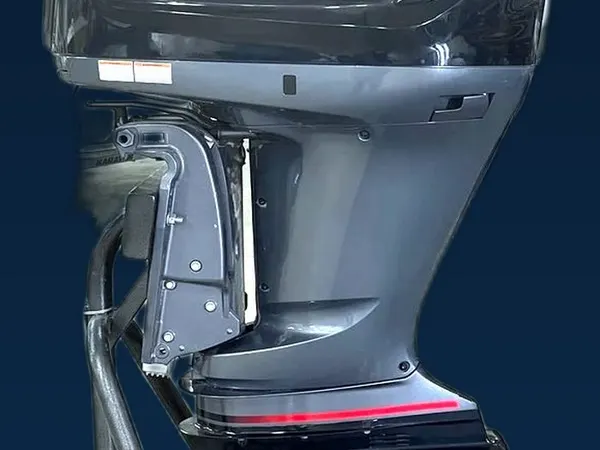
2025 Yamaha F200XD — Integrated Hydraulic Steering, 25" Shaft, Brand New
- 2025
- 200 HP
- Brand new
- 25" shaft
$10,450
View details →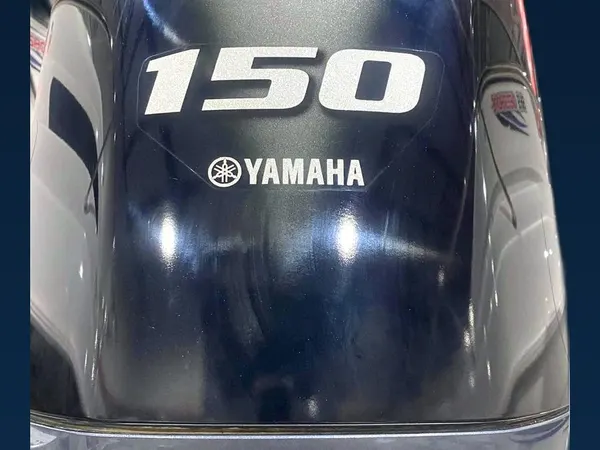 New
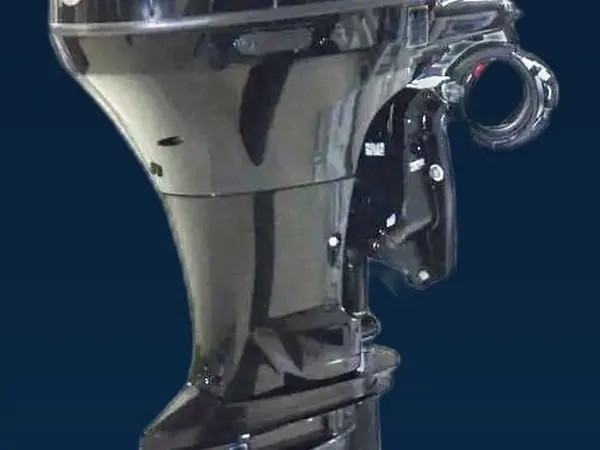 New — 2025 Leftover
New 2025 Suzuki DF175APX 175 HP Outboard — Drive-by-Wire, 25-Inch Shaft
- 2025
- 175 HP
- Brand new
- 25" shaft
$9,350
View details →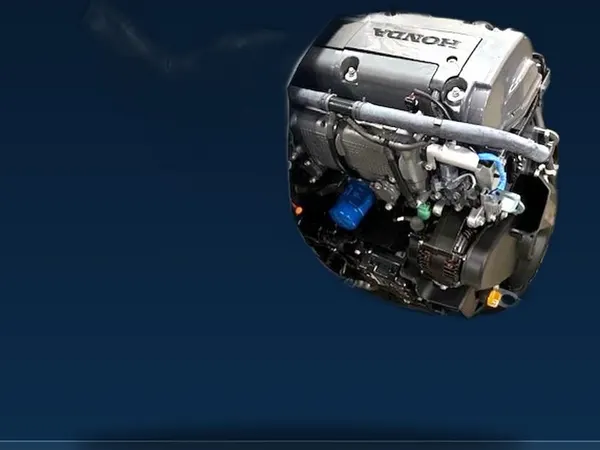 New
 Brand New
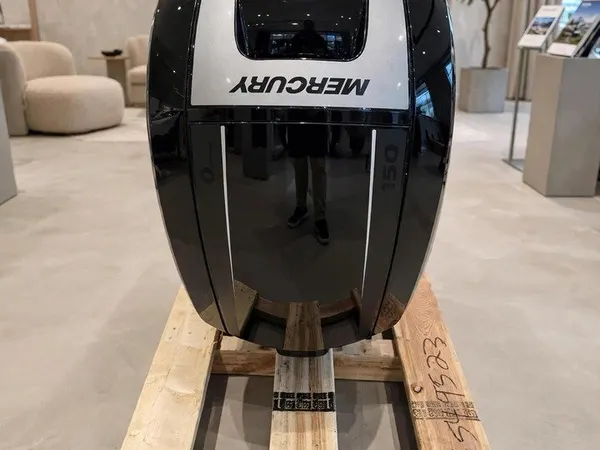
New Mercury 150HP FourStroke Outboard — 3.0L Inline-4, 25" Shaft
- 2022
- 150 HP
- Brand new
- 25" shaft
$8,729
View details →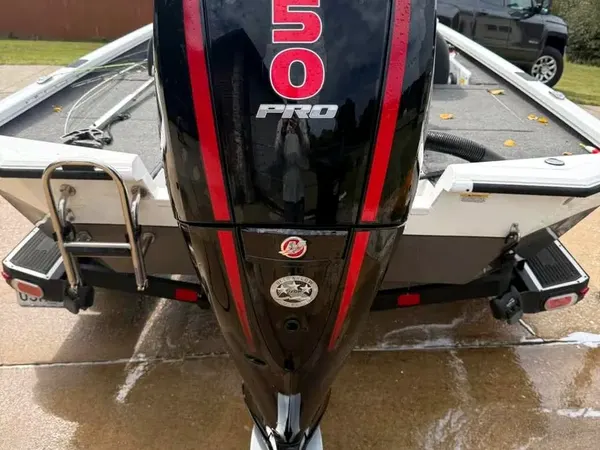 Pre-Owned
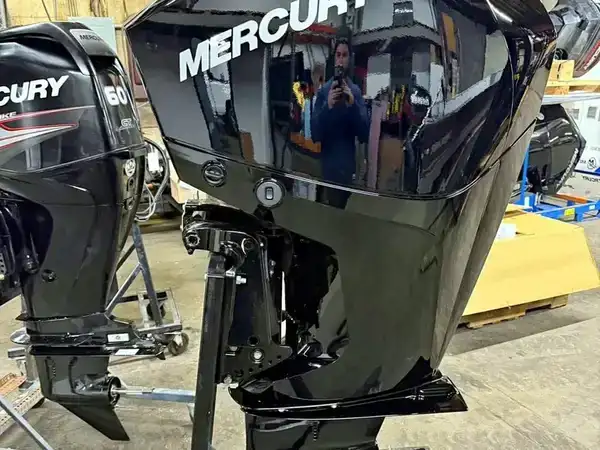
2024 Mercury 150 Pro XS — 12 Hours, Transferable Warranty to Oct 2028
- 2024
- 150 HP
- 25" shaft
$6,875
View details →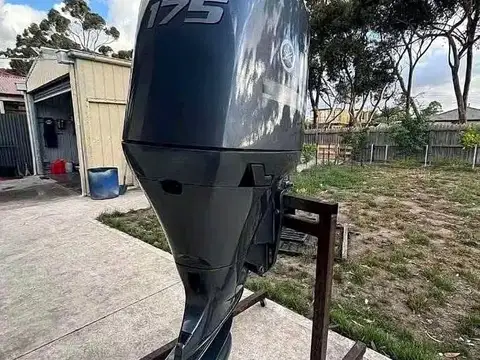 Pre-Owned
 New
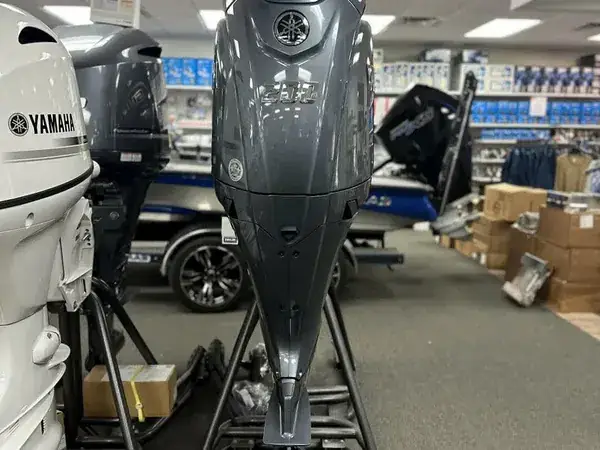
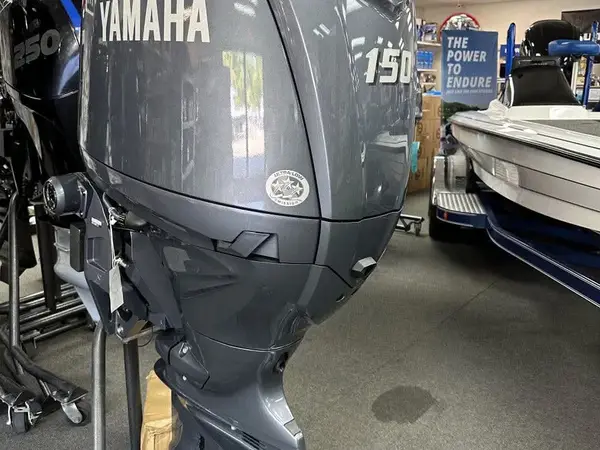
New Yamaha F150LC — Integrated Steering, 20" Shaft, 3-Year Factory Warranty
- 150 HP
- Brand new
- 20" shaft
$6,050
View details →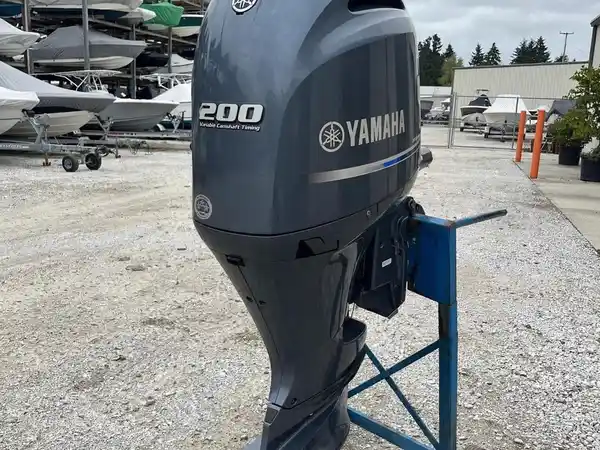 Pre-Owned
2013 Yamaha F200 200HP Four-Stroke — 25" Shaft, Clean & Well Maintained
- 2013
- 200 HP
- 25" shaft
$4,613
View details →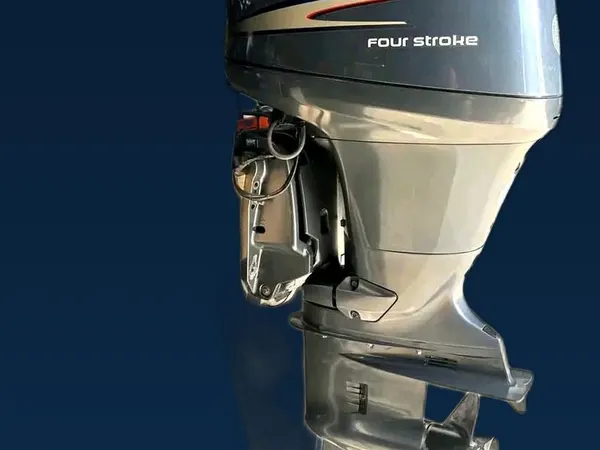 Used — 2008
Used 2008 Yamaha F150 150 HP Outboard — 100 Hours, Mainly Freshwater
- 2008
- 150 HP
- 100 hrs
- 20" shaft
$4,125
View details →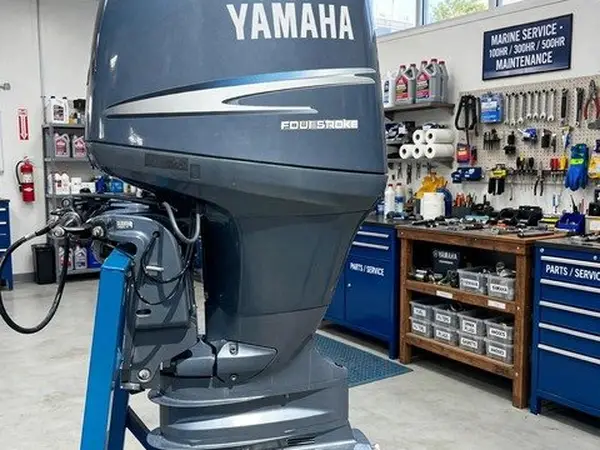 Pre-Owned
 Pre-Owned
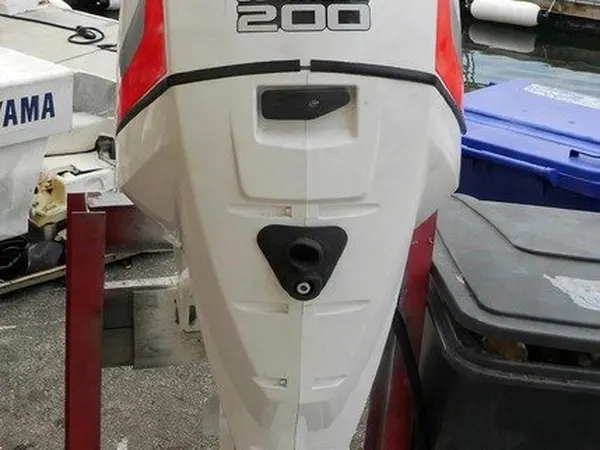
2010 Evinrude 200HP E-TEC Outboard — 25" Shaft, 289 Hours, Fully Tested
- 2010
- 200 HP
- 289 hrs
- 25" shaft
$3,761
View details → Used — 2007
Used 2007 Mercury Verado 150 HP Outboard — Supercharged, 452 Hours
- 2007
- 150 HP
- 452 hrs
$3,575
View details →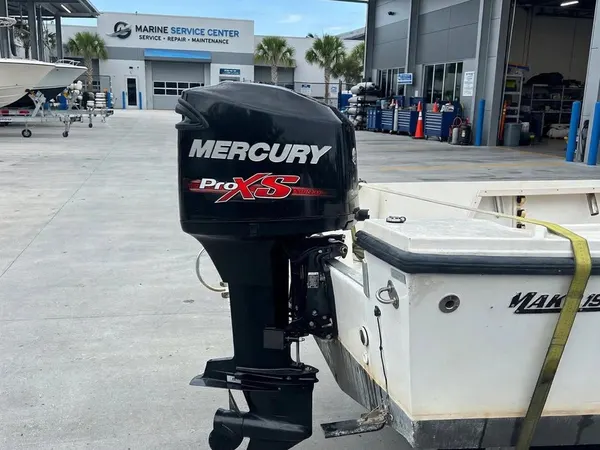 Pre-Owned
2016 Mercury Optimax 175 Pro XS — 200 Hours, Freshwater Flushed
- 2016
- 175 HP
- 200 hrs
$2,839
View details → Pre-Owned
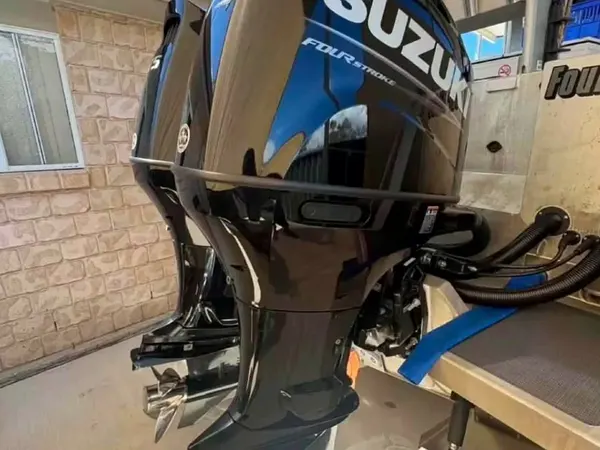
2000 Yamaha VMAX 150 HPDI — 490 Hours, Mint, Controls & Oil Tank
- 2000
- 150 HP
- See listing
$2,475
View details → Pre-Owned
 Pre-Owned
Frequently asked questions
Is a 150 enough for a 22-foot centre console?
For the great majority, yes — a modern 150 planes a loaded 22-footer, cruises in the high 20s and tops out in the low 40s (mph, typical published tests). Boats that carry heavy crews, hardtops and full fuel offshore often prefer the 200. The capacity plate and your typical load decide.
What is the difference between the 150 and 200 in this class?
Usually displacement, tuning and sometimes architecture: many 200s share a block with their 150 sibling and add stronger midrange; some step to a V6. The practical difference shows up with load aboard and in following seas, not in light-boat top speed.
Mechanical or digital controls at this size?
Mechanical is simple, proven and cheaper to rig. Digital gives precise low-speed control, cleaner installations and better gauge integration, at a higher rigging cost. On a repower, staying with the control family you have is the budget-friendly path.
Which shaft length do 150-class boats use?
Mostly 20-inch on bay boats and 25-inch on offshore-style hulls — but measure your own transom rather than assuming. Our shaft-length guide shows the two-minute measurement.
Not sure which motor fits your boat?
Tell us your boat model, transom height and how you use it — we will point you at the right class and the right unit, new or pre-owned.
WhatsApp +1 754 251 4847 Try the Horsepower Finder