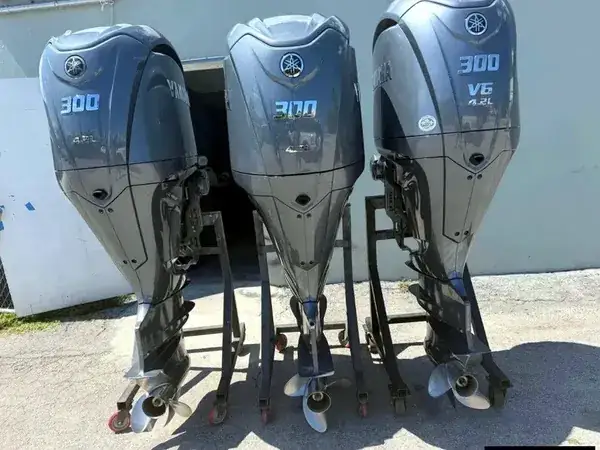
 Pre-Owned
2023 Yamaha F300 EX Triple Set — Electric Steering, Rigging Included
- 2023
- 300 HP
- Triple set
- 30" shafts
$38,775
View details →Offshore singles and serious bay boats: the 225–300 HP class is where outboards become big-engine boating.
This is the class that rebuilt offshore fishing. A single modern 300 does the work that once needed twins: it pushes 25–28 foot centre consoles to genuine offshore speeds, carries full fuel, ice and crew without strain, and cruises at rpm where the engine is barely working. The 225–300 band is all big-block country — V6s and V8s with digital controls, serious alternators and gearcases built for years of saltwater.
The modern argument for a single 300 over twin 150s is strong: one engine to buy, rig, service and feed, with comparable performance on many hulls. Twins answer with redundancy offshore and finer low-speed manoeuvrability. Our single vs twin guide lays out the honest maths, and the twin sets hub shows matched pairs if you go that way.
Within the class, the differences are character, not quality. Yamaha's 4.2L V6 Offshore (F250/F300) is the reliability benchmark with digital DEC control. Mercury answers with the V8 Verado and Pro XS platforms — torque-rich and quiet. Suzuki's DF250/300AP brings a big 4.0L V6 and a reputation for mid-range economy. Honda's V6 BF250 is the refinement pick. Model letters encode shaft, controls and rotation — decode any of them with our decoder guide before comparing listings.
These engines weigh roughly 230–290 kg (505–640 lb) depending on model and shaft. On a repower of an older hull designed around lighter two-strokes, that mass at the transom changes static trim and scupper height. The repower guide walks through the check — do it before the purchase, not at the launch ramp.
Big engines live hard offshore lives or pampered freshwater ones, and the hours alone won't tell you which. ECU printouts, compression, lower-unit condition and service records will. Our used checklist and hours guide are written for exactly this class of purchase.
Nowhere in the catalogue does the gap between a good used engine and a tired one widen like it does here. A 300 that lived on a freshwater lake behind a careful owner and a 300 that pushed a charter boat through six Gulf seasons wear the same cowling. The separating evidence is always the same trio: an ECU hour printout (not just the dash gauge), compression figures that are even across cylinders, and lower-unit oil that comes out clean. Our hours guide explains how professionals read the first of those; the inspection checklist covers the rest. Every pre-owned listing on this site states its hours and rigging as supplied — and our team will walk you through the evidence on any specific unit before you commit.
Two short guides that will save you from the classic mistakes in this class:
42 listings, each photographed as offered with its price, freight and deposit on the product page.
Pre-Owned
 New
 New — 2023 Leftover
 Pre-Owned
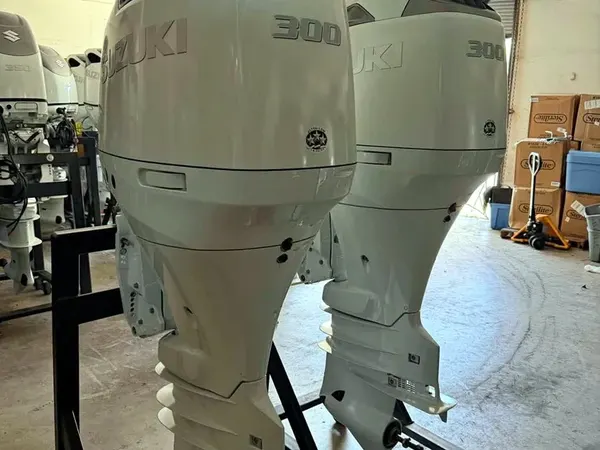 Pre-Owned
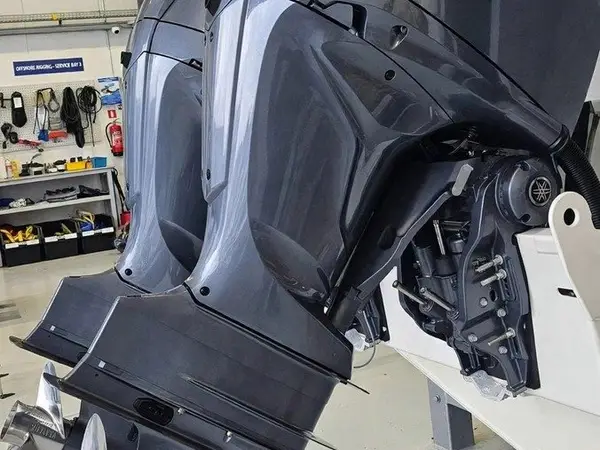 Pre-Owned
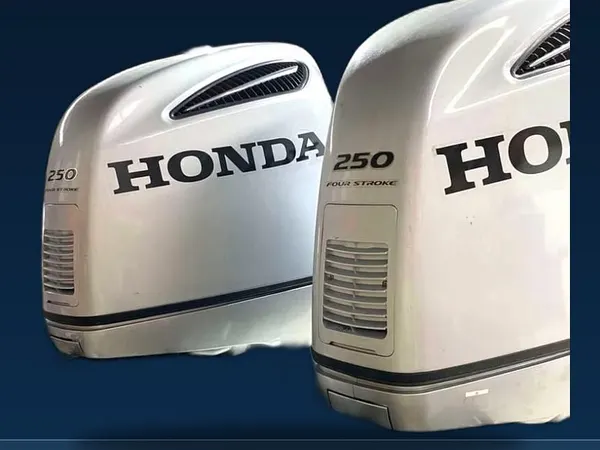 Used
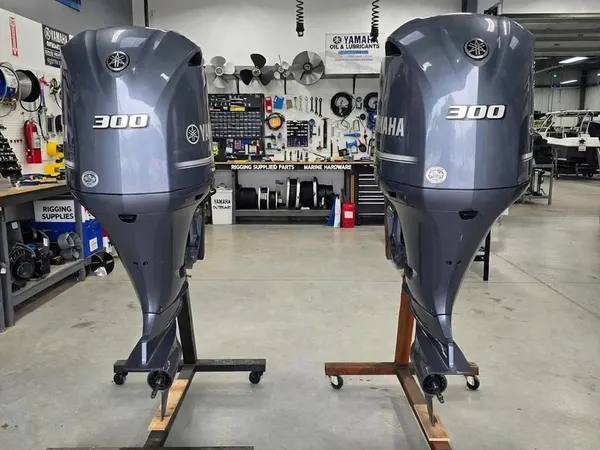 Pre-Owned
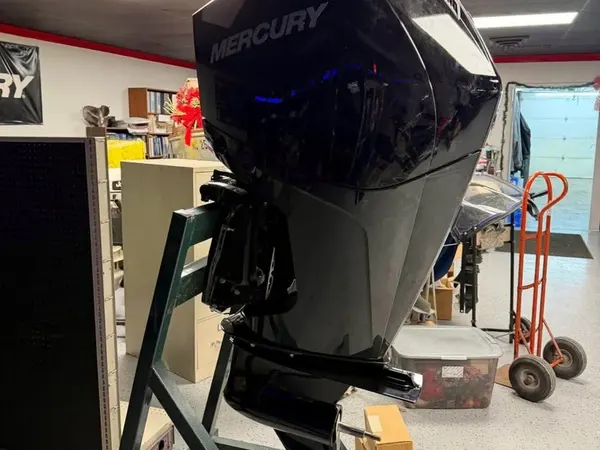 New
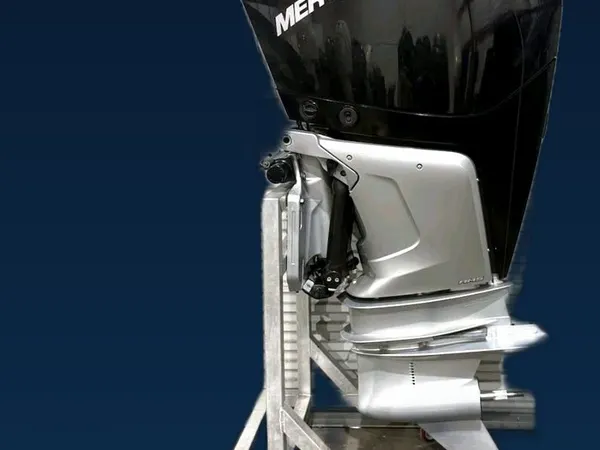 Used
 Pre-Owned
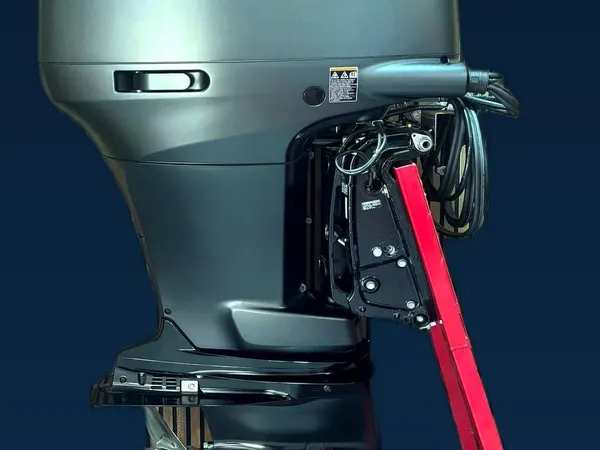 New — Latest Model
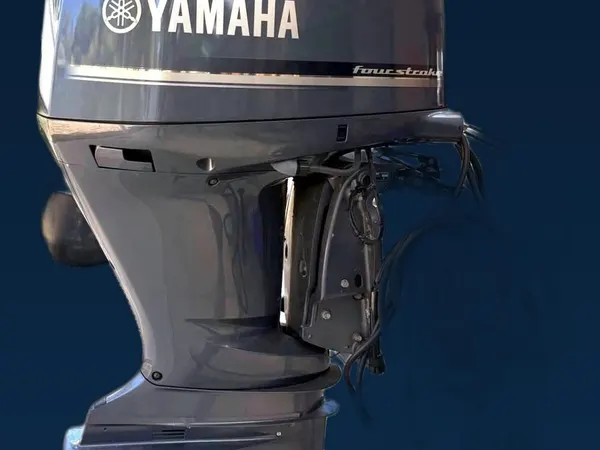 Used — 2020
 Pre-Owned
 Used — 2010
 Used — 2025
 Pre-Owned
 Pre-Owned
 Pre-Owned
 Pre-Owned
 Pre-Owned
 Brand New
 Pre-Owned
 Pre-Owned
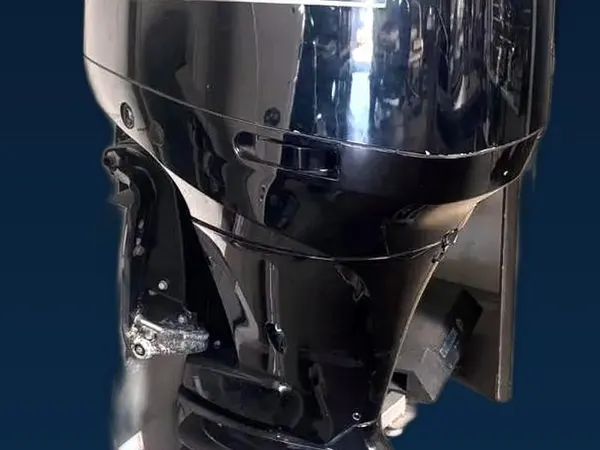 Used — 2016
 Pre-Owned
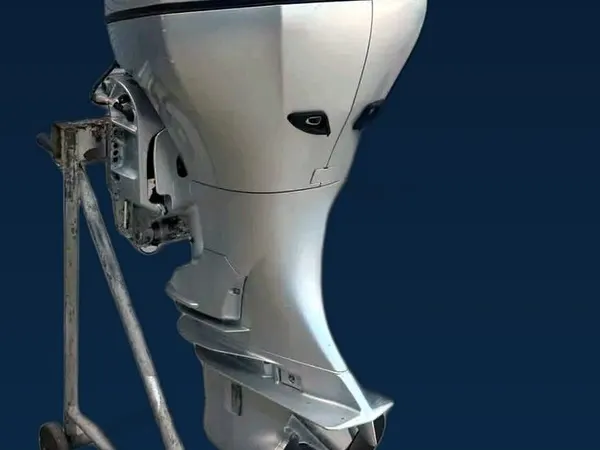 Used — 2013
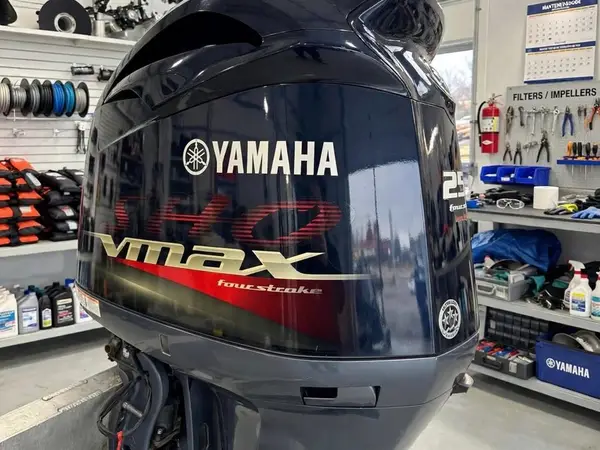 Pre-Owned
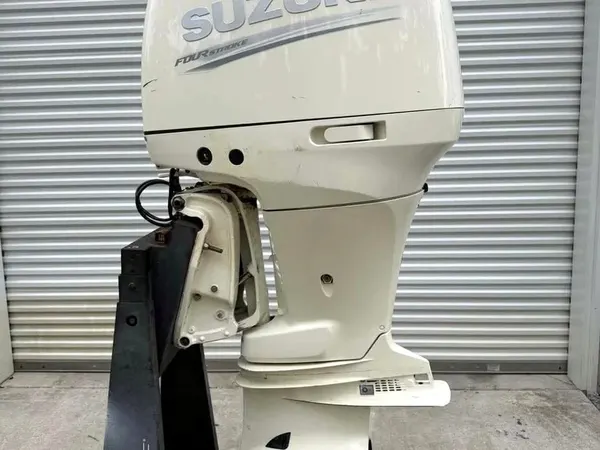 Pre-Owned
 Pre-Owned
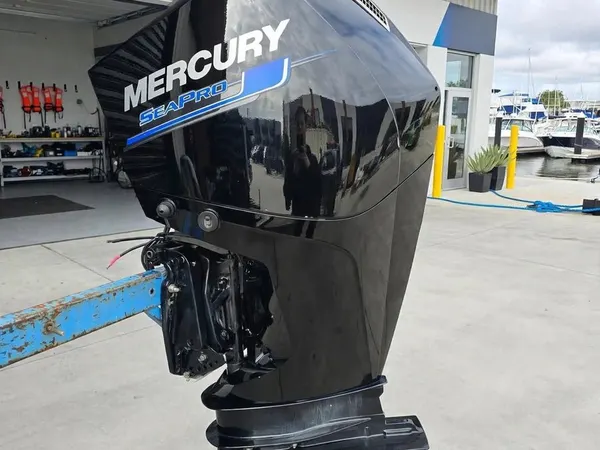 Pre-Owned
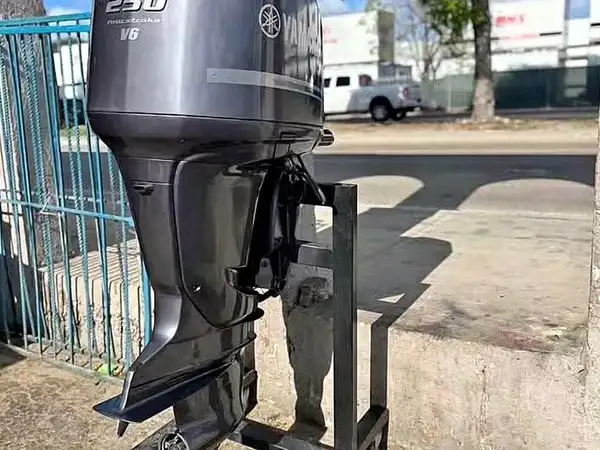 Pre-Owned
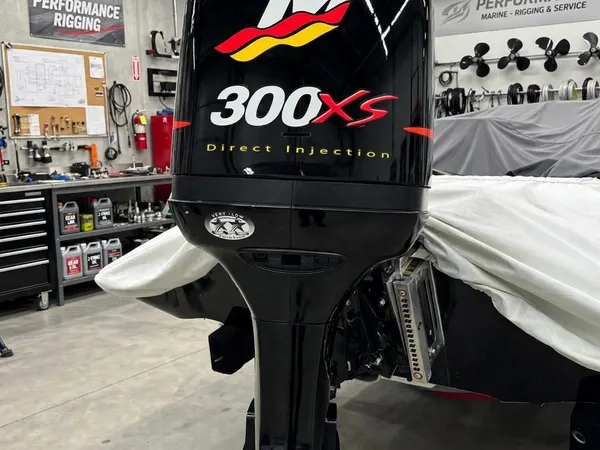 Pre-Owned
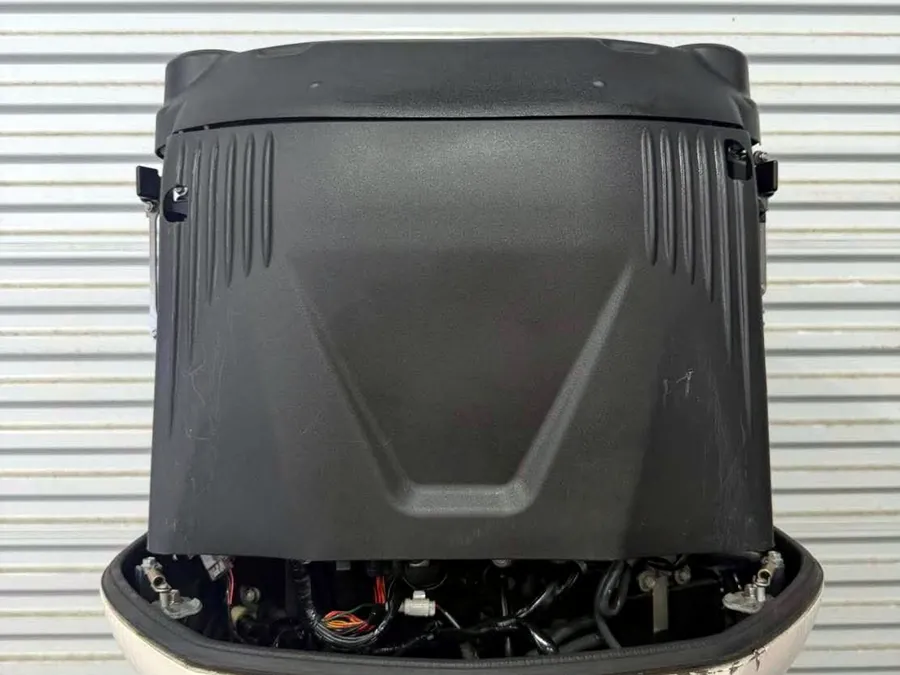 Pre-Owned
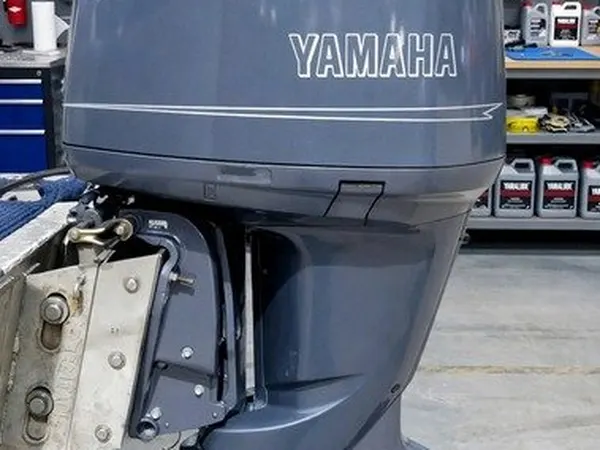 Pre-Owned
 Used — 2005
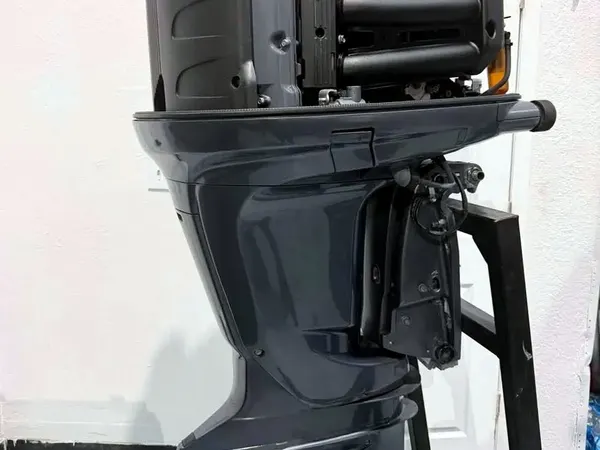 Pre-Owned
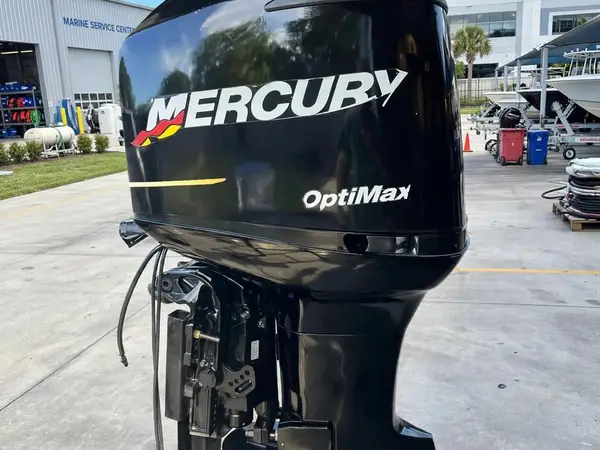 Pre-Owned
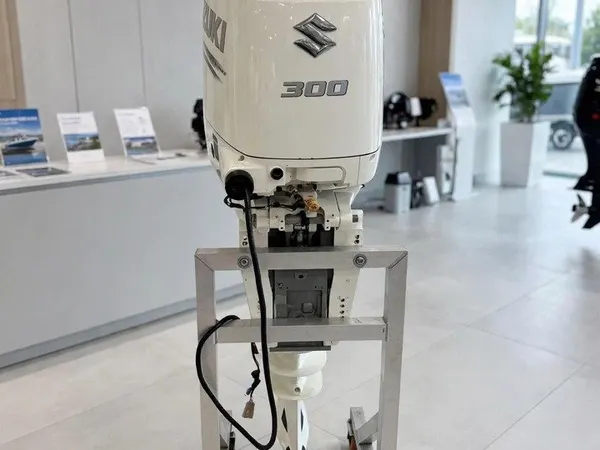 Pre-Owned
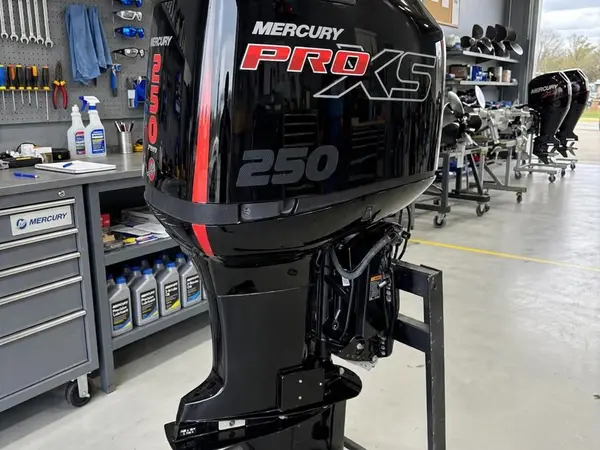 Pre-Owned
 Pre-Owned
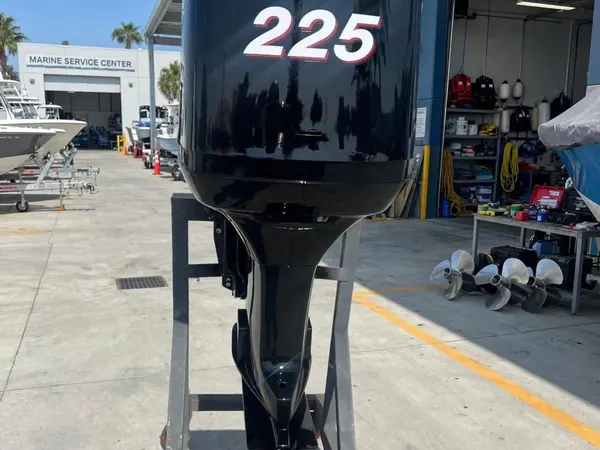 Pre-Owned
On many 25–28 foot hulls, yes for performance — modern 300s have the torque to plane heavy loads and cruise efficiently. What a single cannot replicate is redundancy: an engine failure 40 miles out is a tow, not a slow ride home. Choose based on where you run, not just how fast.
At a 4,000-rpm cruise, a modern 300 typically burns roughly 10–14 US gallons per hour depending on hull and load (widely published test figures); at wide-open throttle that can more than double. The efficient cruise is why these engines feel economical despite their size.
Mostly 25-inch, with 30-inch on tall transoms and some stepped hulls. Measure your transom — and note twins often mix shaft lengths across the set, which the listing should state.
Not automatically. These are durable platforms; a serviced 800-hour motor with even compression and clean ECU history can be a better buy than a neglected 300-hour one. Condition and evidence beat the raw number every time.
Tell us your boat model, transom height and how you use it — we will point you at the right class and the right unit, new or pre-owned.
WhatsApp +1 754 251 4847 Try the Horsepower Finder