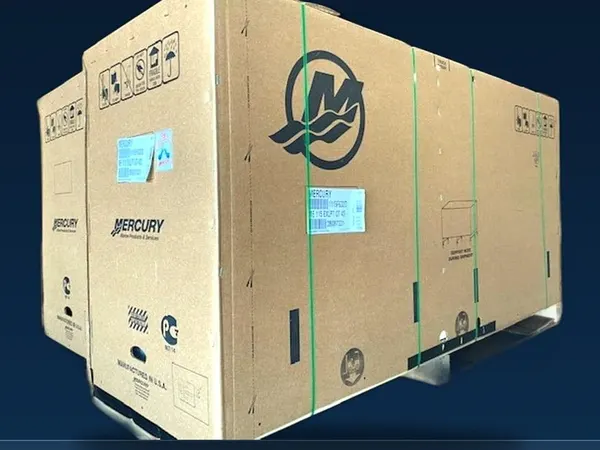
 New
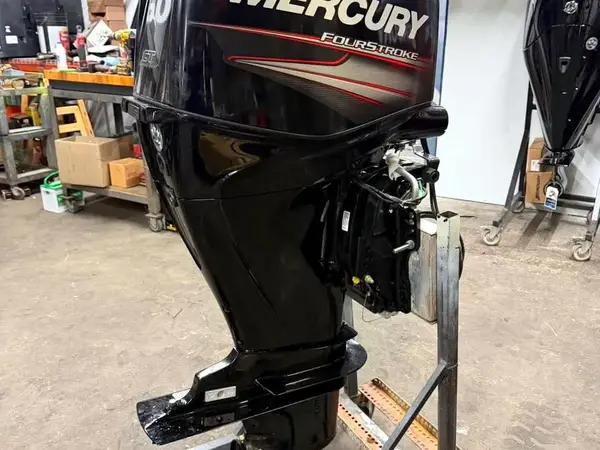
New Mercury 115 EXLPT Command Thrust FourStroke Outboard — 25-Inch Shaft
- 115 HP
- Brand new
- 25" shaft
$6,490
View details →The hardest-working class in boating: fishing boats, pontoons, skiffs and family runabouts live here.
If boating has a centre of gravity, it is this class. Forty to 115 horsepower powers the bay boats, flats skiffs, pontoons, aluminium fishing boats and small family runabouts that do most of the hours on the water. These are engines big enough for real work — skiing kids, running loaded to the fishing grounds, punching home through an afternoon chop — and small enough to own without a second mortgage in fuel and maintenance.
The 40–60 HP motors are the utility heartland: tiller versions run work skiffs and big jon boats; remote versions power small consoles and pontoons up to about 20 feet. The 70–90 HP band is the classic bay-boat and family-boat size — enough for a 17–19 foot hull with a crew, frugal at cruise. The 115 is the class flagship and the most repowered-into size in the country: it sits on everything from 20-foot bay boats to 24-foot pontoons, and its combination of punch and economy is why our horsepower guide lands so many boats here.
Within one horsepower number, models vary by 20 kg (45 lb) or more, and on a small transom that difference is visible in how the boat floats and planes. Compare published weights as carefully as horsepower — our weight guide explains what to check, including the capacity plate's maximum.
Midrange four-strokes are long-lived engines, which makes the pre-owned market here deep and honest: a serviced 90 or 115 with verified compression is often the smartest money in boating. If you are shopping used, run the checks in our used outboard inspection checklist — compression, ECU hours, lower-unit oil — before you fall for any particular motor, ours included.
Most boats in this class run a 20-inch (long) shaft; many bay boats and some pontoons take 25-inch. Measure your transom and confirm with the Shaft Length Finder. Controls split between mechanical cables and, at the top of the class, digital systems — the model-number decoder will tell you what any listing's letters actually promise.
More repowers land in this band than any other, because it is where tired two-strokes and early four-strokes get replaced on boats with decades of life left. The swap is usually friendly: weights are close to the engines coming off, mechanical controls often transfer, and the fuel and reliability gains are immediate. The two traps are shaft length (a 20 vs 25-inch mistake is easy when the old engine's letters went unread — use the decoder) and propeller choice: the new engine's gear ratio wants its own prop, matched by the wide-open-throttle test in our propeller guide. Budget those two items and a midrange repower is the most predictable project in boating.
Two short guides that will save you from the classic mistakes in this class:
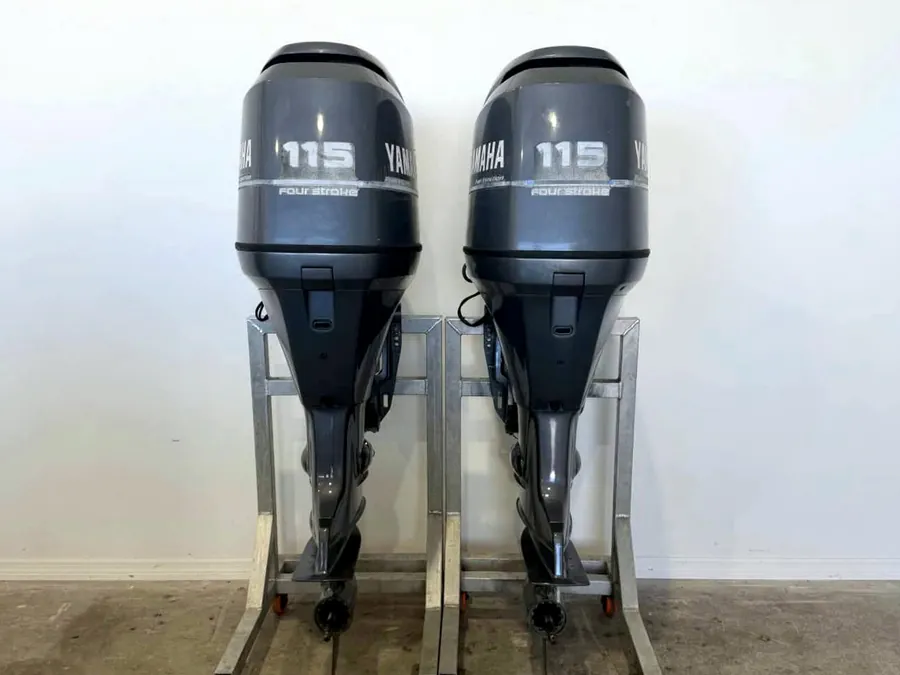
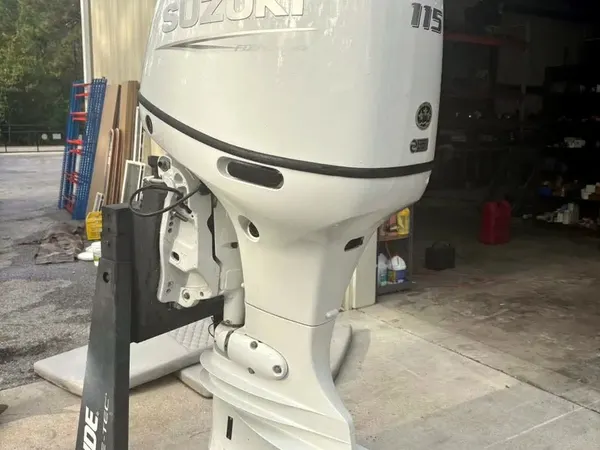
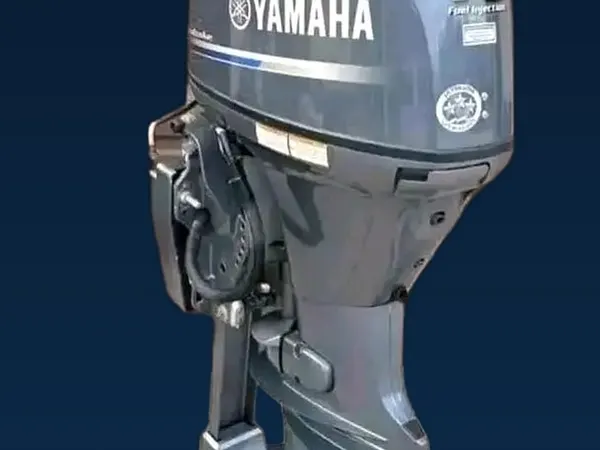
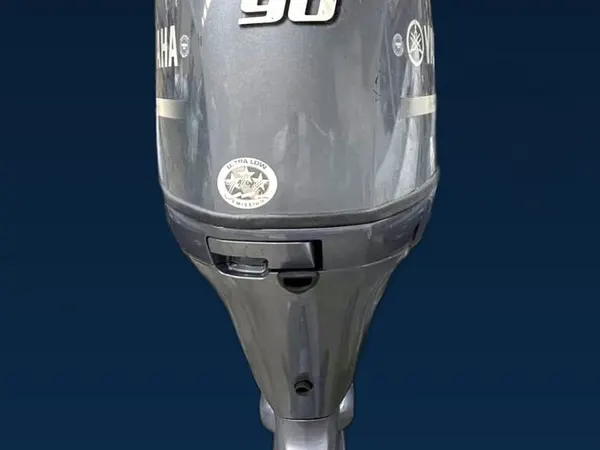
34 listings, each photographed as offered with its price, freight and deposit on the product page.
New
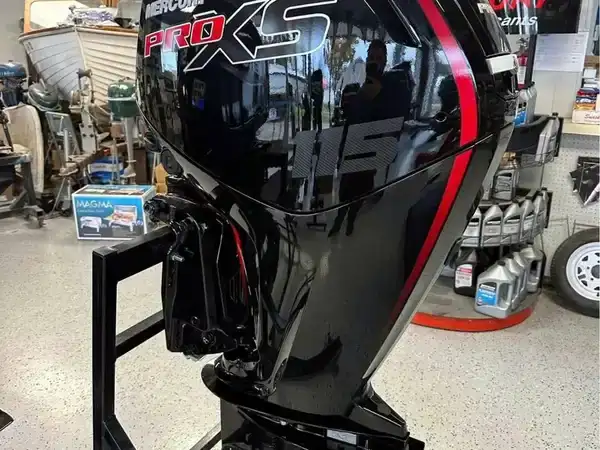 New
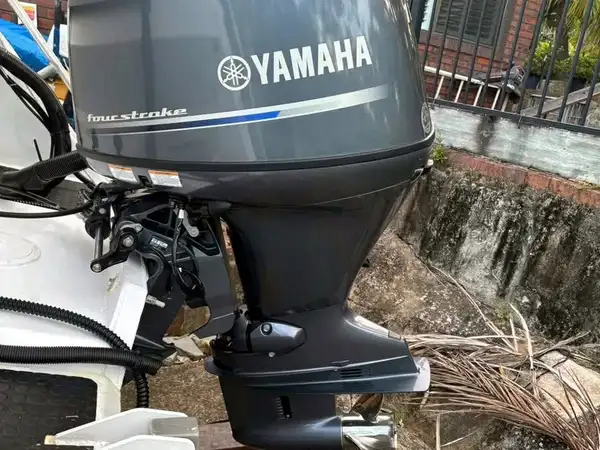 Pre-Owned
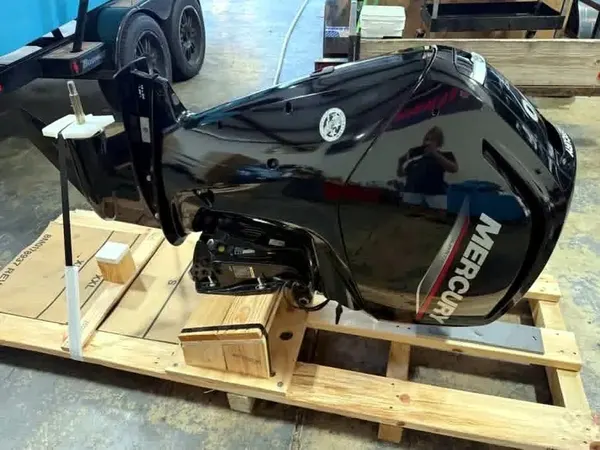 Pre-Owned
 Pre-Owned
 Pre-Owned
 Used — 2025
 Used — 2017
 Pre-Owned
 Pre-Owned
 New
 Pre-Owned
 Pre-Owned
 New
 Pre-Owned
 Pre-Owned
 Pre-Owned
 Pre-Owned
 Pre-Owned
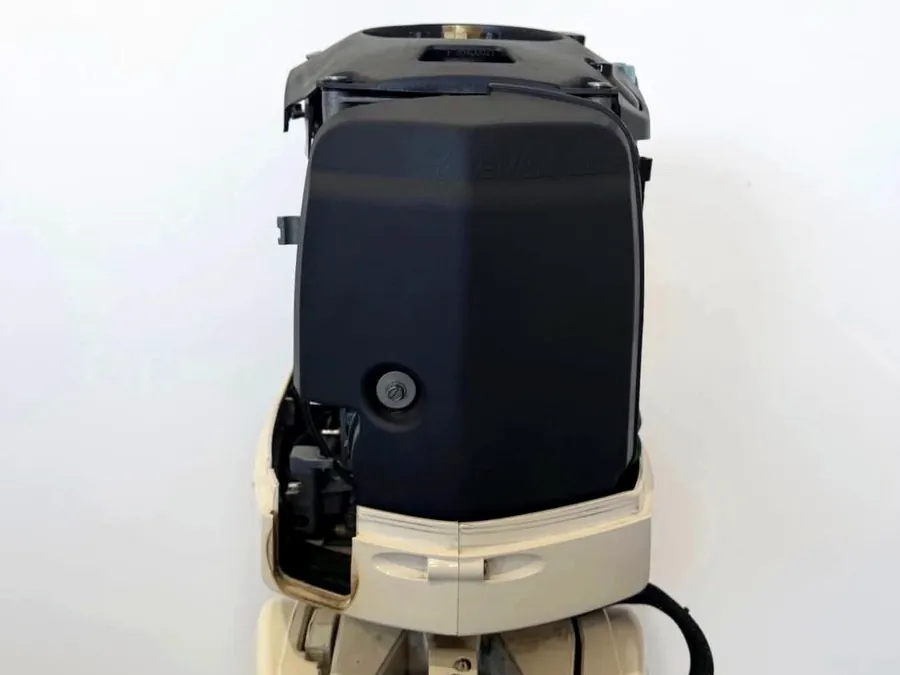 Pre-Owned
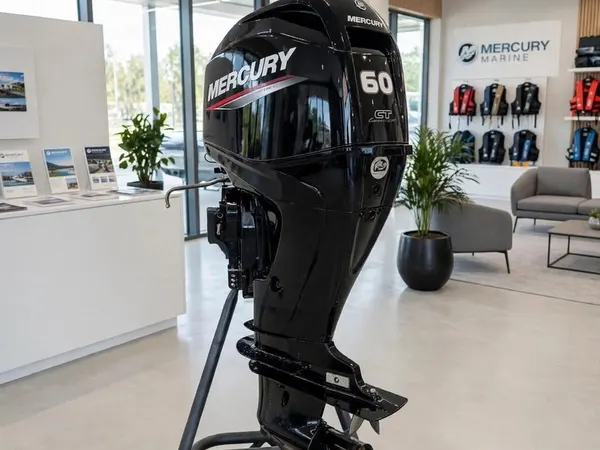 Pre-Owned
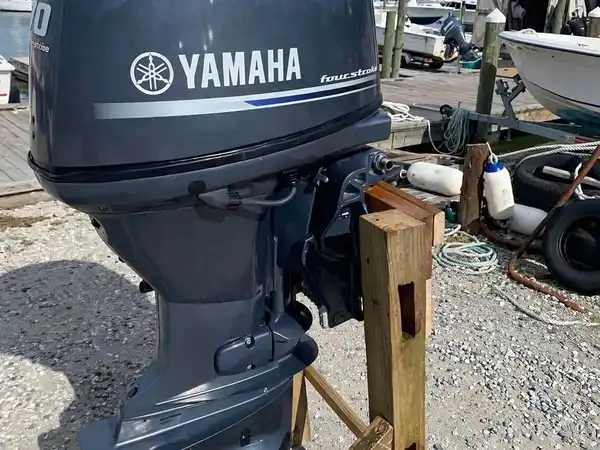 Pre-Owned
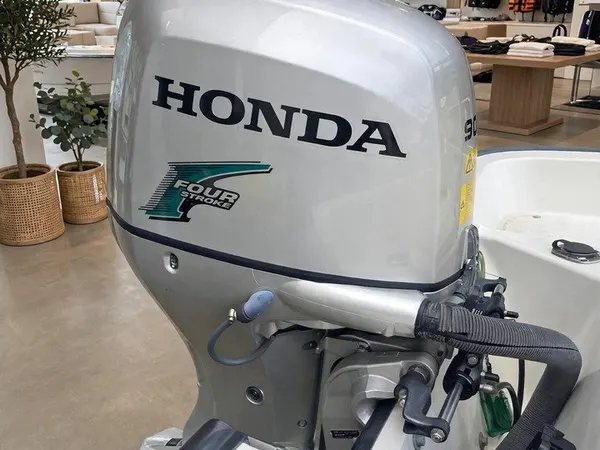 Pre-Owned
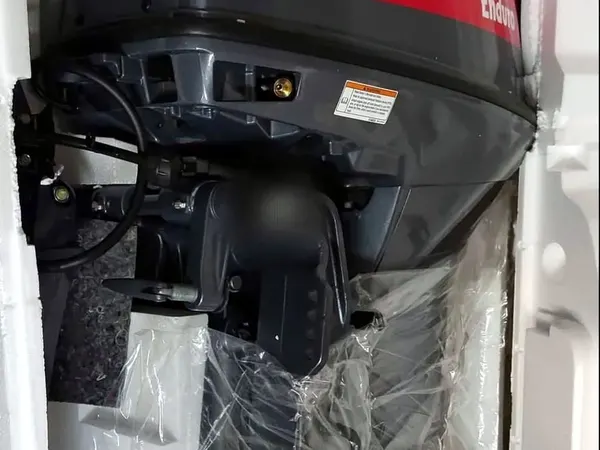 New
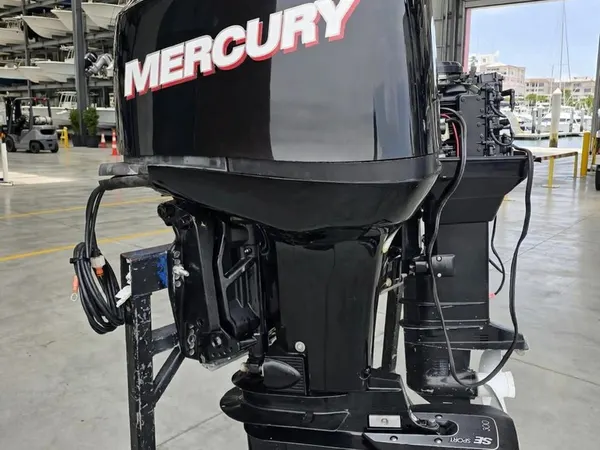 Pre-Owned
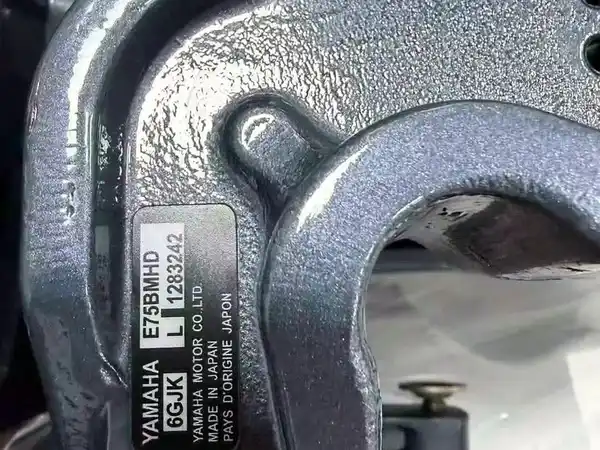 New
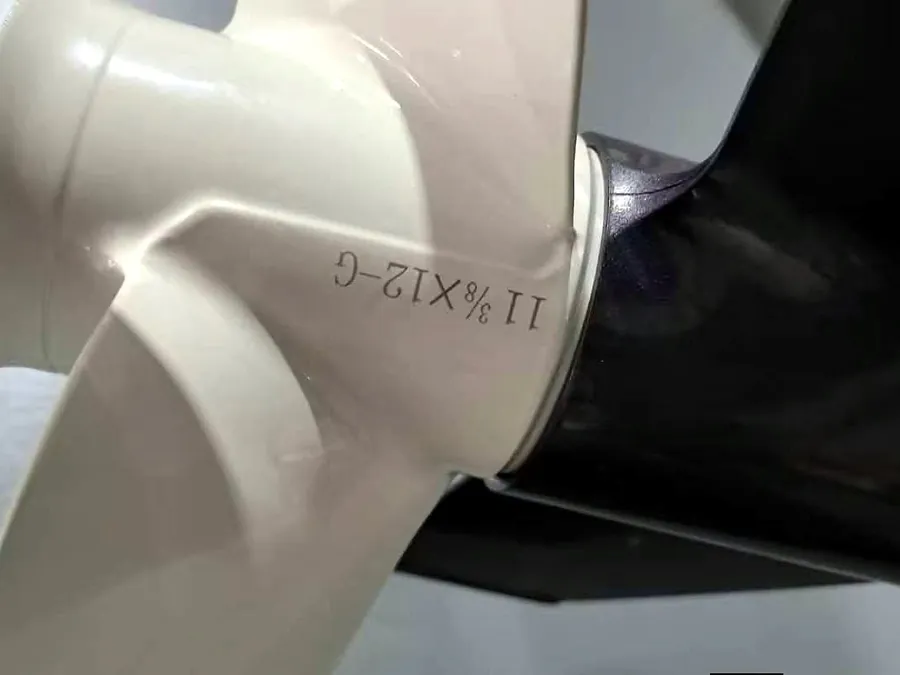 New
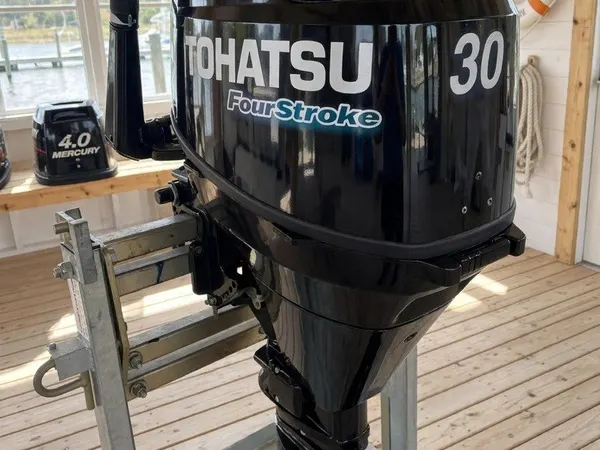 Pre-Owned
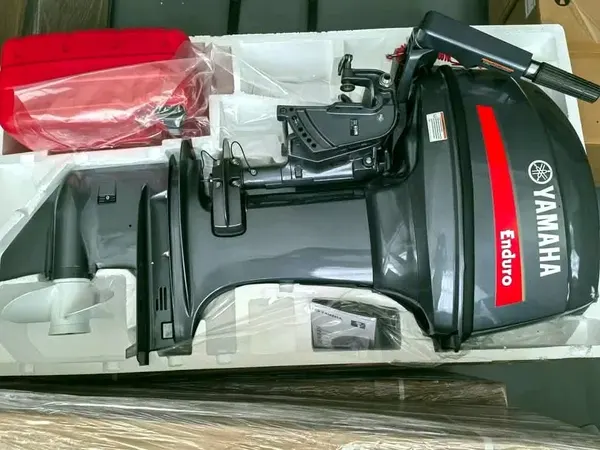 New
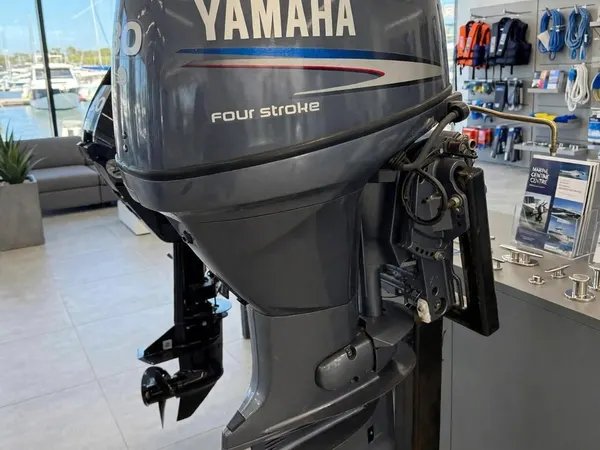 Pre-Owned
 Pre-Owned
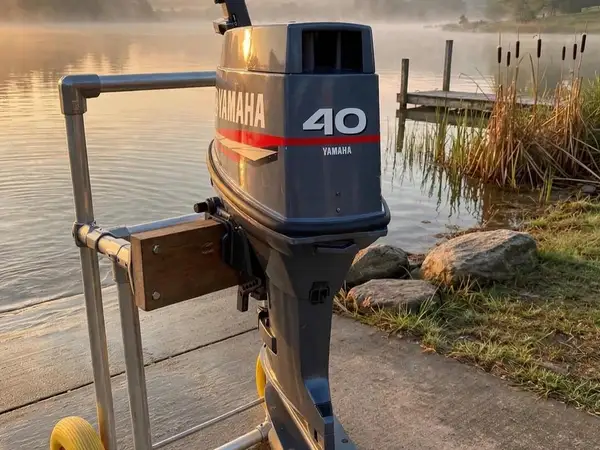 Pre-Owned
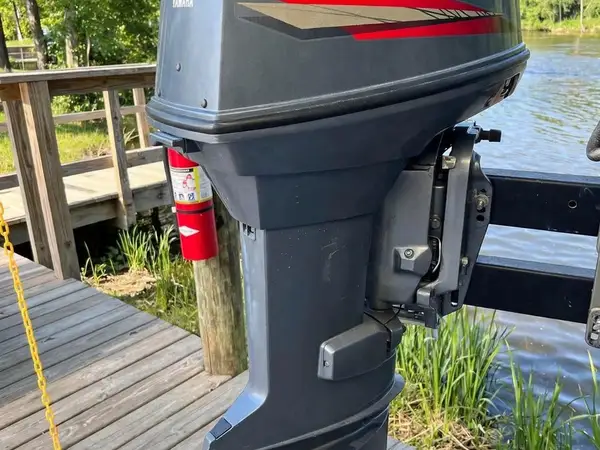 Pre-Owned
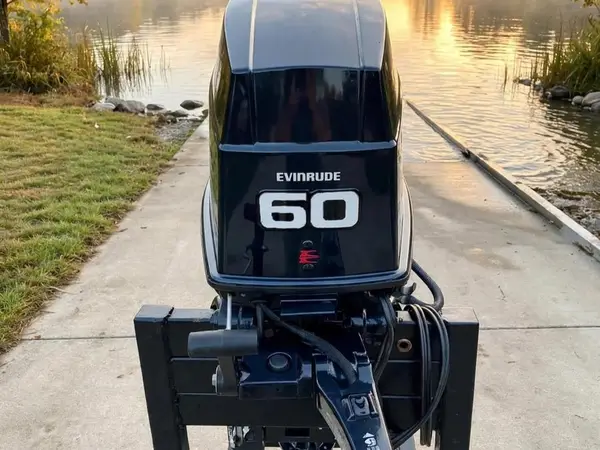 Pre-Owned
Usually, yes — a modern 115 planes a loaded 24-foot pontoon comfortably and cruises efficiently. If your pontoon regularly carries big crews or you want strong watersports pull, the next class up (150) is the step. Check the pontoon's capacity plate first; it has the final word.
For most fishing and family boats, the 90–115 band gives the best blend: strong enough to cruise at an unstressed 4,000 rpm, small enough to sip fuel doing it. Undersized engines burn more fuel working flat-out than a bigger engine at part throttle.
Tiller for open skiffs and workboats where the operator sits aft and space is precious; remote for any boat with a console and runs longer than a few minutes. Our tiller vs remote guide covers conversions and costs.
Recreational engines typically run 30–50 hours a year. A serviced four-stroke at 500–800 hours has most of its life ahead; neglect matters more than the number. Our engine-hours guide explains how to read hours against age and condition.
Tell us your boat model, transom height and how you use it — we will point you at the right class and the right unit, new or pre-owned.
WhatsApp +1 754 251 4847 Try the Horsepower Finder